




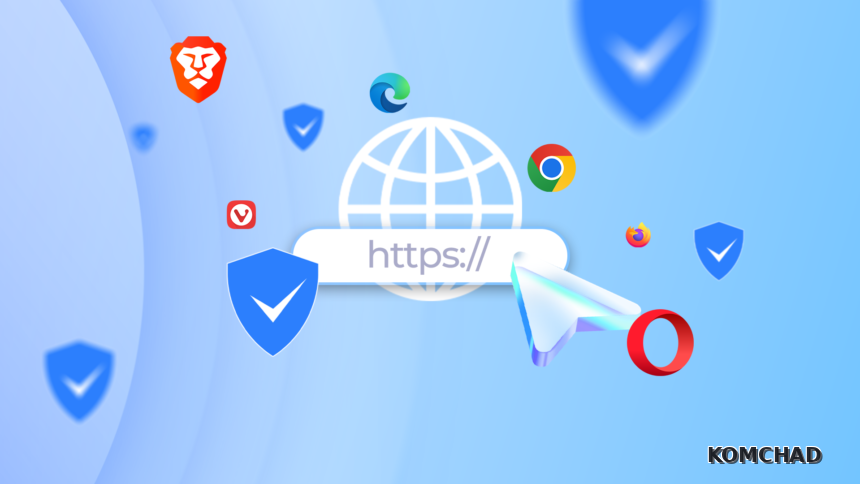
Modern websites can observe much more than a page visit. Advertising and analytics systems can combine information across sites to infer interests, shopping intent and browsing habits. The source explains that tracking has evolved from ordinary cookies into scripts, persistent identifiers and browser fingerprinting, so a realistic privacy goal is to reduce stable identifying information rather than promise perfect anonymity.
- Tracking pixels and scripts
- Supercookies can survive ordinary cleanup
- Browser fingerprinting works without normal cookies
- More extensions do not always mean more privacy
- Brave uses fingerprint randomization
- Private browsing reduces persistent local state
- A VPN can hide the normal public IP address
- Privacy works better as a layered strategy
Tracking pixels and scripts
A tracking pixel began as a tiny invisible image requested when a page loaded, revealing details such as time, browser and operating system. Modern JavaScript trackers can observe clicks, products viewed, shopping-cart changes and other interactions. These signals help advertising systems predict behavior and allow site owners to retarget visitors after they leave.
Supercookies can survive ordinary cleanup
A normal cookie is only one place where an identifier can be stored. Supercookie techniques use several browser storage mechanisms so an identifier may survive or be reconstructed after standard cookies are deleted. The source cites Evercookie as a classic example. Clearing one familiar cookie store therefore does not guarantee that every persistent identifier has disappeared.
Browser fingerprinting works without normal cookies
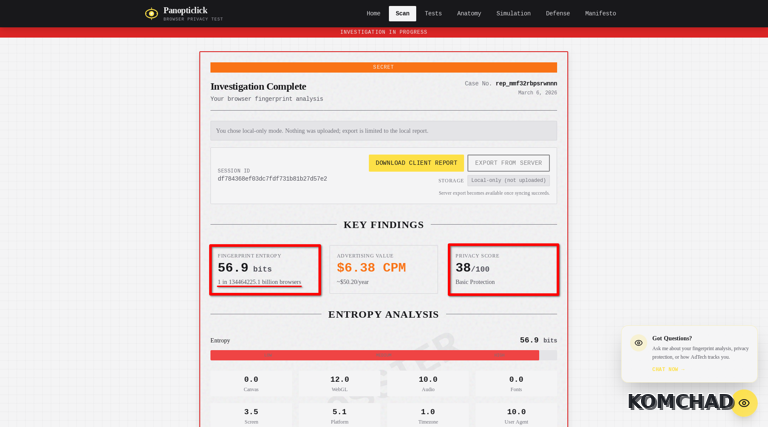
Fingerprinting combines characteristics such as installed fonts, extensions, time zone, screen resolution, browser version and Web API behavior. Individually these details can appear harmless, but together they may form a sufficiently distinctive pattern to recognize the same browser later. This is why disabling ordinary cookies alone does not automatically prevent tracking.
More extensions do not always mean more privacy
Anti-tracking extensions can alter page rendering and browser behavior, and those differences can themselves become part of a fingerprint. Some anti-fingerprinting tools may even produce unusual combinations that make a browser more distinctive. The source therefore favors strong browser-level protections instead of assuming that installing many extensions is always better.
Brave uses fingerprint randomization
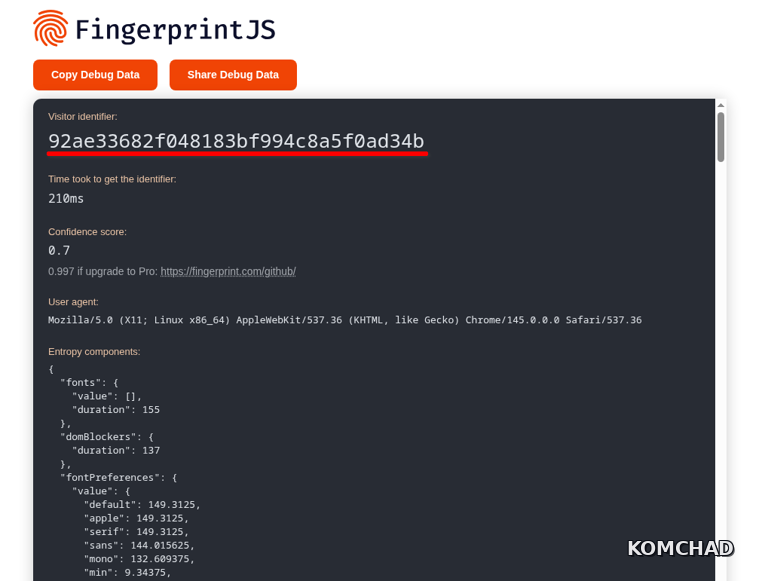
The article highlights Brave’s farbling technique, which introduces controlled variation into values commonly examined by fingerprinting scripts. The aim is to make a stable fingerprint less useful across sessions. This does not guarantee anonymity or make tracking impossible, but it reduces the consistency of an identifying signal.
Read More

Private browsing reduces persistent local state
For browsing that does not require a persistent login, private mode can help because cookies, cache and site data associated with the session are generally removed when the window closes. This makes locally stored identifiers harder to carry into the next session. Private browsing is one layer of protection, not a complete defense against fingerprinting or network identification.
A VPN can hide the normal public IP address
Websites can normally see the public IP address from which a connection originates. The source recommends a VPN so destination sites do not directly see the user’s usual public IP, mentioning Proton VPN and also Mullvad positively. A VPN does not erase browser fingerprints, account logins or tracking data stored elsewhere, so it should be combined with browser protections.
Privacy works better as a layered strategy
The practical approach is to use a browser with strong built-in privacy defenses, block unwanted advertising and tracking scripts, use private browsing when persistent login state is unnecessary, and consider a reputable VPN. None of these measures is perfect. The useful objective is to make long-term correlation harder and reduce the stable information available to tracking companies.