




Gen Z Is Ditching Smartphones for Flip Phones, Research Suggests
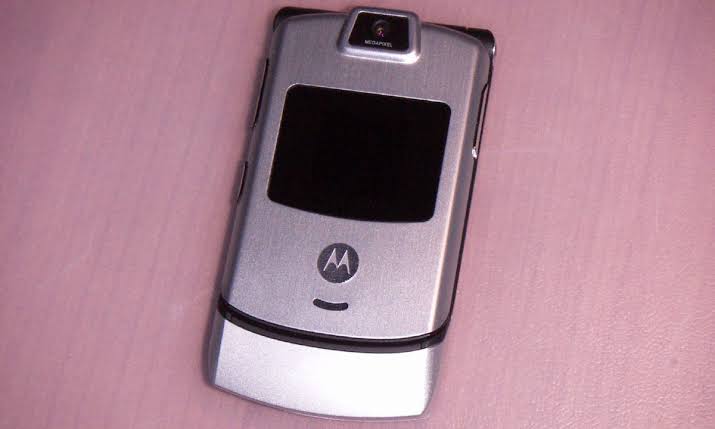
A growing number of Gen Z adults are choosing to replace their smartphones with basic flip phones, reflecting a broader shift toward digital minimalism and healthier technology habits. While smartphones remain essential for work, communication, and entertainment, many young users say constant notifications, social media, and endless scrolling have become overwhelming.
Recent academic research and a growing number of digital detox initiatives suggest that switching to simpler phones can help reduce screen time, improve concentration, and encourage more face-to-face interaction.
Rather than rejecting technology altogether, many participants describe the change as a way to regain control over how they use it.
A Growing Digital Detox Movement
The trend is no longer limited to a small group of technology enthusiasts.
Read More

Researchers studying young adults found that participants who exchanged their smartphones for flip phones over several weeks reported feeling less distracted, more present in daily life, and more aware of their relationship with technology. The study explored how temporary smartphone abstinence affected well-being, routines, and social interactions among Generation Z.
The movement has also gained attention through initiatives such as Month Offline, where participants voluntarily replace smartphones with simplified devices for an extended period. Many of these modern flip phones still support essential functions such as calling, texting, maps, and two-factor authentication while intentionally limiting access to addictive apps and social media.
Why Gen Z Is Switching
The motivation extends well beyond nostalgia.
Many young adults say smartphones consume too much of their attention through endless notifications, recommendation algorithms, and social media feeds. Others cite increasing concerns about anxiety, reduced attention spans, sleep disruption, and the pressure to remain constantly available online.
For many users, the appeal of a flip phone is not that it offers less technology—it offers fewer distractions.
Without constant access to social media, users report spending more time reading, exercising, meeting friends, or simply allowing themselves to experience moments without immediately reaching for a screen.
Simplicity Comes With Trade-Offs
Moving to a flip phone is not without compromises.
Basic devices generally lack high-quality cameras, advanced messaging platforms, powerful navigation, mobile payments, and many productivity tools that have become part of everyday life. Tasks that take seconds on a smartphone can become slower or more inconvenient.
As a result, many users adopt a hybrid approach—keeping a smartphone for work or banking while using a flip phone as their primary everyday device to reduce unnecessary screen time.
Research Points to Mental Health Benefits
Researchers caution that switching to a flip phone is not a universal solution for mental health.
However, early findings suggest that reducing smartphone dependence may improve perceived well-being for some people, particularly those who feel overwhelmed by constant connectivity. Participants in recent qualitative research described feeling calmer, more focused, and more intentional about their technology use after spending several weeks without a traditional smartphone.
Experts note that the benefits appear to come less from the device itself and more from changing digital habits and reducing compulsive app usage.
A Shift in How Technology Is Used
The resurgence of flip phones reflects a broader cultural shift rather than a rejection of innovation.
Many members of Gen Z grew up with smartphones and social media from an early age. Now, some are deliberately choosing technology that serves a specific purpose instead of demanding constant attention.
Manufacturers have responded by introducing “smart dumbphones” that retain essential features such as messaging, maps, and authentication while eliminating endless feeds and app stores.
Not the End of Smartphones—But a New Balance
Smartphones are unlikely to disappear anytime soon. They remain indispensable for navigation, mobile payments, work, education, photography, and countless digital services.
Nevertheless, the growing interest in flip phones suggests that younger consumers are increasingly questioning whether more technology always leads to a better experience.
Rather than abandoning digital life entirely, many Gen Z users appear to be redefining it—prioritizing attention, privacy, and intentional technology use over constant connectivity. If this trend continues, it could influence future smartphone design, encouraging devices that emphasize digital well-being alongside ever-expanding capabilities.