




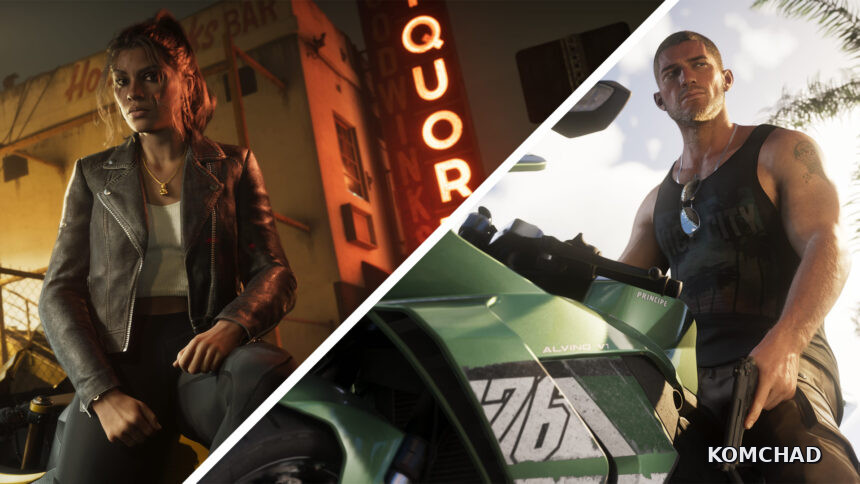
The latest leak involving Grand Theft Auto VI is not defensible: unfinished creative work was taken from Rockstar and distributed without permission. But the incident has also revived a wider debate about what players actually own as the games industry moves toward digital distribution. Buying a game increasingly means receiving licensed access to software that depends on storefronts, accounts, servers and platform support rather than possessing a self-contained copy.
- From the PS3 era to digital-first gaming
- GTA 6 illustrates the ownership problem
- Why retro gaming still matters
- Digital distribution is undeniably convenient
- Games can change after purchase
- Preservation is different from leaking
- Ownership is becoming access rather than possession
- Games are part of cultural history
- The physical-versus-digital question is getting harder
- GTA 6 puts the issue in the spotlight
From the PS3 era to digital-first gaming
Digital stores expanded during the PS3 era alongside downloadable content and smaller downloadable releases. What began as a convenient alternative has become central to the business. Some modern games can be sold without a conventional physical version, while even boxed releases may rely heavily on downloads, updates and online authentication.
GTA 6 illustrates the ownership problem
GTA 6 is expected to become one of the decade’s biggest entertainment releases. Yet the more its content, updates and services depend on digital infrastructure, the harder it becomes to answer a simple question: what exactly does a buyer permanently possess? A disc can be collected, stored and rediscovered, while digital access can remain subject to a publisher, storefront or licence.
Why retro gaming still matters
Physical games offer a sense of permanence. A player can keep an old PS2 or PS3 disc, cartridge, case and artwork for years and, if compatible hardware still works, return to the same object. This helps explain renewed interest in retro consoles, cartridges, handhelds and boxed games: collecting is not only nostalgia but also a way to retain a tangible piece of gaming history.
Digital distribution is undeniably convenient
Digital games remove the need to swap discs, travel to a store or wait for delivery. Large games can be downloaded immediately, patched automatically and expanded after launch. For a project as enormous as GTA 6, ongoing downloads and updates are practical. The concern is therefore not that digital distribution has no advantages, but what happens to access decades later.
Games can change after purchase
Patches can replace textures, fix bugs, rebalance mechanics and alter how a game looks or plays. Licensed music may disappear. Online modes and even complete online games can shut down. Storefronts can close and old hardware can lose support. Consequently, the version remembered at launch may eventually become difficult or impossible to experience.
Read More

Preservation is different from leaking
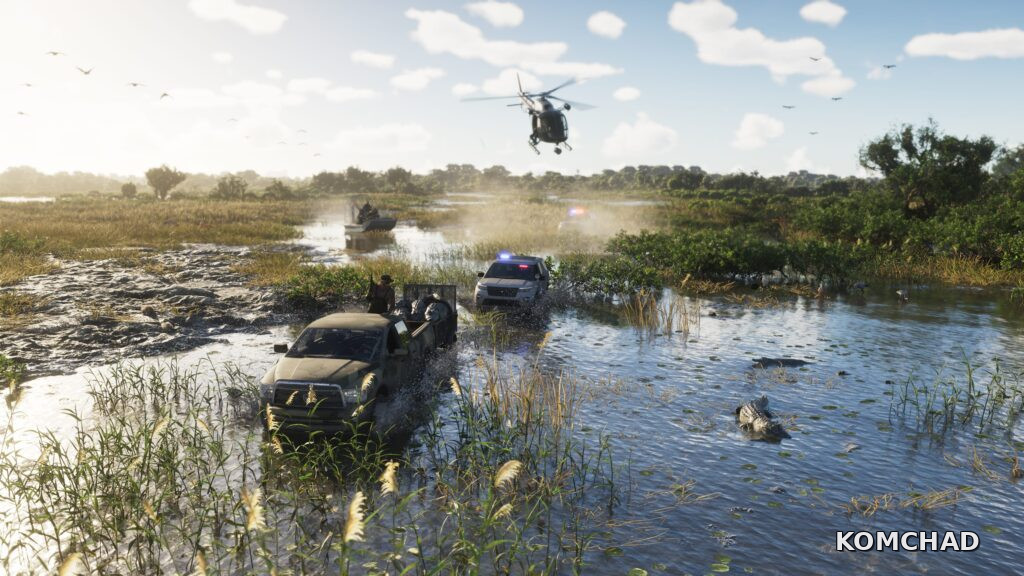
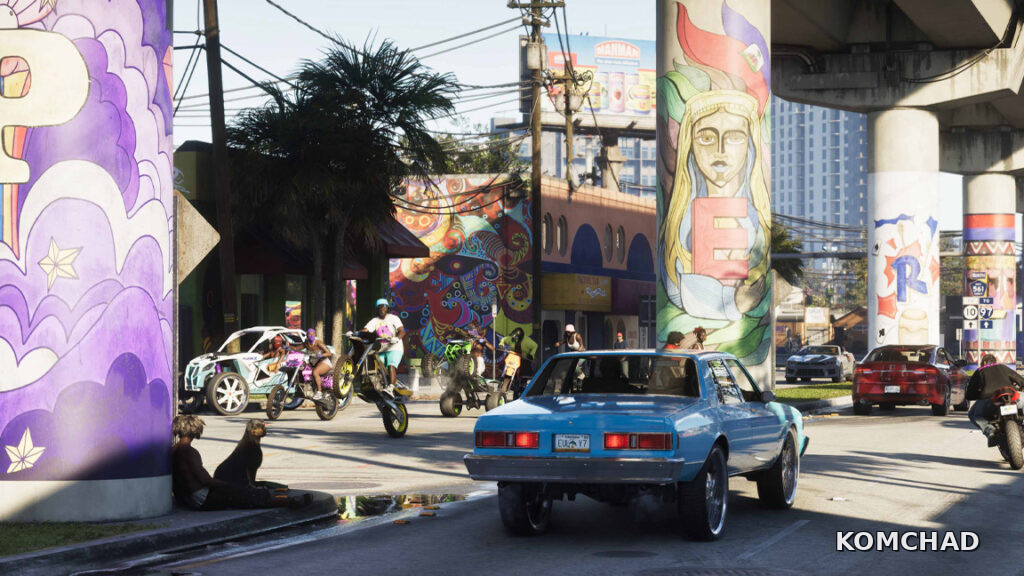
The leak should not be confused with preservation. Stealing and publishing unfinished work is not a legitimate preservation strategy. Instead, the episode highlights how much creative history is stored inside private digital infrastructure: concept art, character design, environments, animation, visual effects, lighting, sound, writing and interface work produced by large teams over many years.
Ownership is becoming access rather than possession
When games exist primarily as digital products, ownership increasingly resembles permission to access them. That creates a preservation problem not only for players but also for artists. Creative work can be visible to millions today and become inaccessible later because the server, licence, storefront or compatible platform needed to reach it no longer exists.
Games are part of cultural history
Society preserves books, films, photographs, paintings and physical design because they document the culture and technology of their time. Games increasingly deserve similar treatment. Preserving a launch version does not mean preventing developers from improving a living game; it means ensuring historically significant versions and creative work are not erased by normal commercial change.
The physical-versus-digital question is getting harder
Publishers understandably focus on products, budgets, updates, licences, servers and future releases. GTA 6 itself is associated with enormous development spending. But if games are also treated as art, long-term preservation becomes more important. A future version may have different music, textures, characters, side content or online functionality from the version players originally experienced.
GTA 6 puts the issue in the spotlight
Millions of people are expected to play GTA 6, and Rockstar will likely update and expand it for years. That can make the game better as an evolving entertainment product. At the same time, the industry must confront a separate question: when servers disappear and platforms move on, will players and historians still be able to experience the game as it originally existed?